

Netflix’s New 4-Part Sci-Fi Series Is Redefining Streaming
March 18, 2026 | by admin

In the second week of March, the four-season dystopian sci-fi masterpiece The Man in the High Castle dropped on Netflix worldwide. What sets this release apart isn’t its daring portrayal of a terrifying alternate history, its stunning visuals, or its intricately interwoven character arcs. It’s the fact that this series is a Prime Video original.
Between 2015 and 2019, The Man in the High Castle was a major hit for Amazon’s streaming platform, which is currently Netflix’s main competitor in most markets across the globe. Now, thanks to a licensing deal between these bitter TV industry rivals, the same show has become a success for Netflix, too.
At first glance, it seems completely counterintuitive that Prime Video should license valuable original content to the streaming platform trying to knock it off the top spot in the American market. But this example is actually an early indicator of something that’s set to become a prevailing TV trend in the late 2020s, alongside the return of weekly releases.
Whereas Netflix’s early streaming success was down to original shows characterized by bold experimentation with form, genre and content, in recent years the streaming giant has erred on the side of risk-averse consolidation, along with almost every other major player in modern television. Now, it appears that Netflix and its competitors are entering the age of streaming syndication.
The Man In The High Castle Is A Prime Video Original Streaming On Netflix
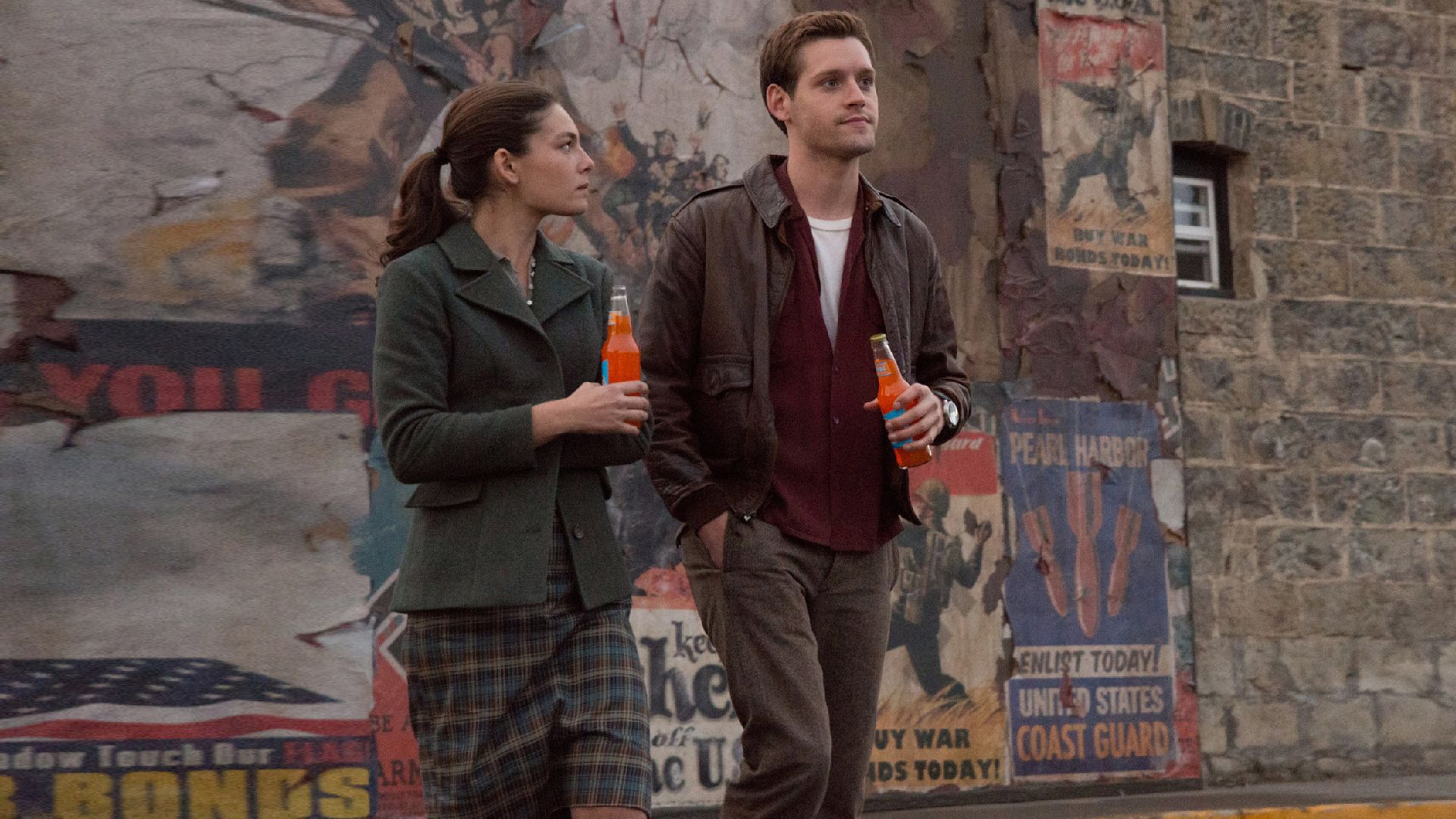
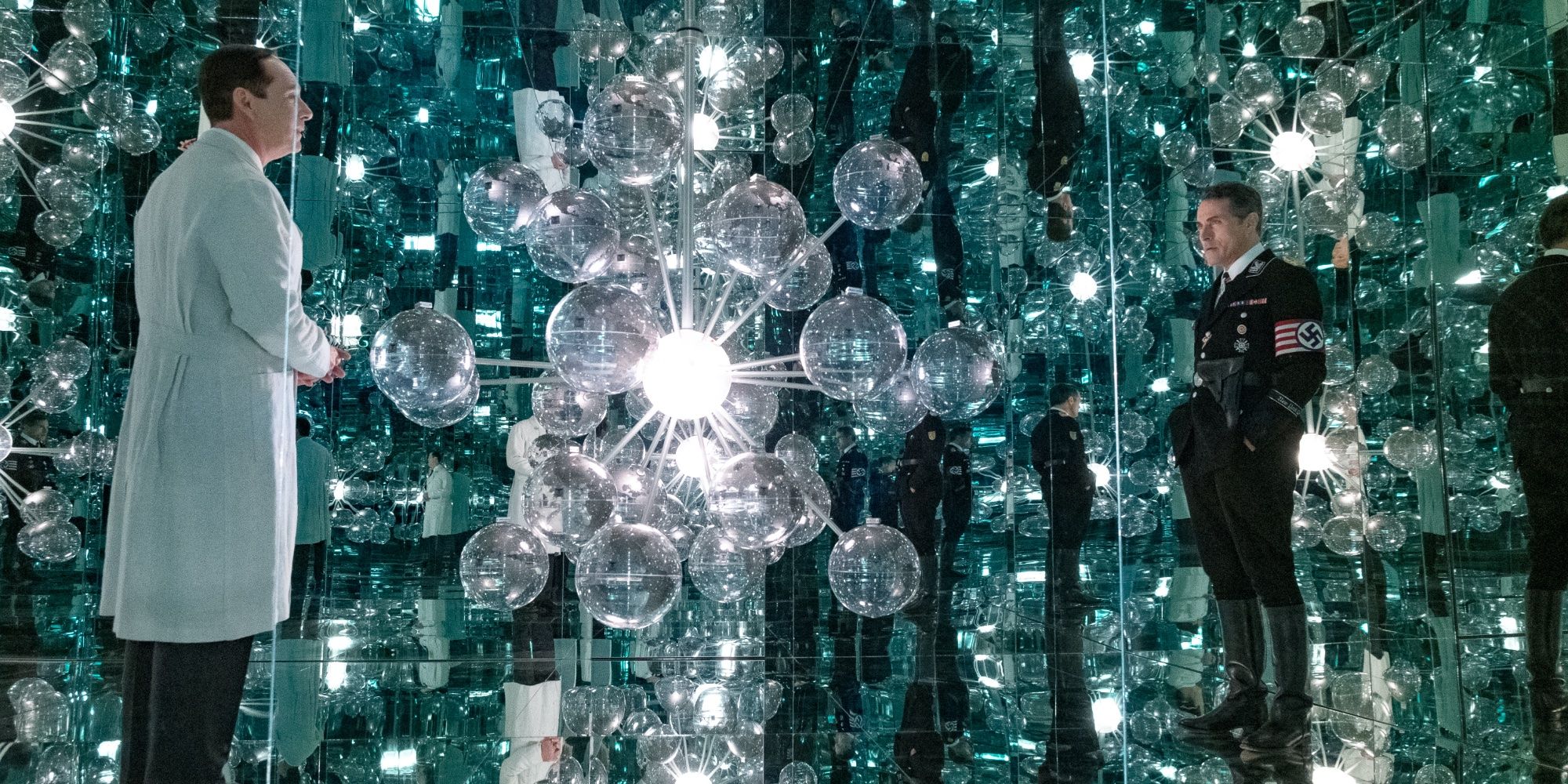
For Prime Video and Netflix subscribers alike, The Man in the High Castle is a must-watch sci-fi thriller based on Philip K. Dick’s celebrated novel, about an alternate version of the 20th century in which Nazi Germany and Imperial Japan triumphed in the Second World War. Its horrifying vision of an American Reich feels chillingly authentic.
On the other hand, its story of unsung heroes banding together to resist this hateful regime, amid the threat of nuclear war between Germany and Japan, is an ingenious subversion of modern history. Yet, the historical aspects of The Man in the High Castle are only its starting point.
Once the show has us hooked, it pulls us deep into a multiverse of possible histories, which only the title character seems to understand in full. For a production of such dizzying scope and far-reaching ambition, it somehow manages to stay focused, believable, entertaining, and accessible throughout.
The Man in the High Castle was the most streamed original series in Amazon history following the release of its first season in 2015 (via Variety). It was a regular feature in the top 10 of Prime Video’s streaming charts over subsequent years, before it ended after four seasons in 2019.
Seven years later, it’s riding high in the TV rankings once again, thanks to its re-release on Netflix. Although it hasn’t quite made it into Netflix’s top 10 TV shows as yet, The Man in the High Castle did reenter television’s overall UK top 50 on JustWatch over the weekend of March 14 and 15, and briefly climbed into JustWatch’s U.S. top 60.
Netflix's Success With This Sci-Fi Series And 11.22.63 Is Redefining Streaming
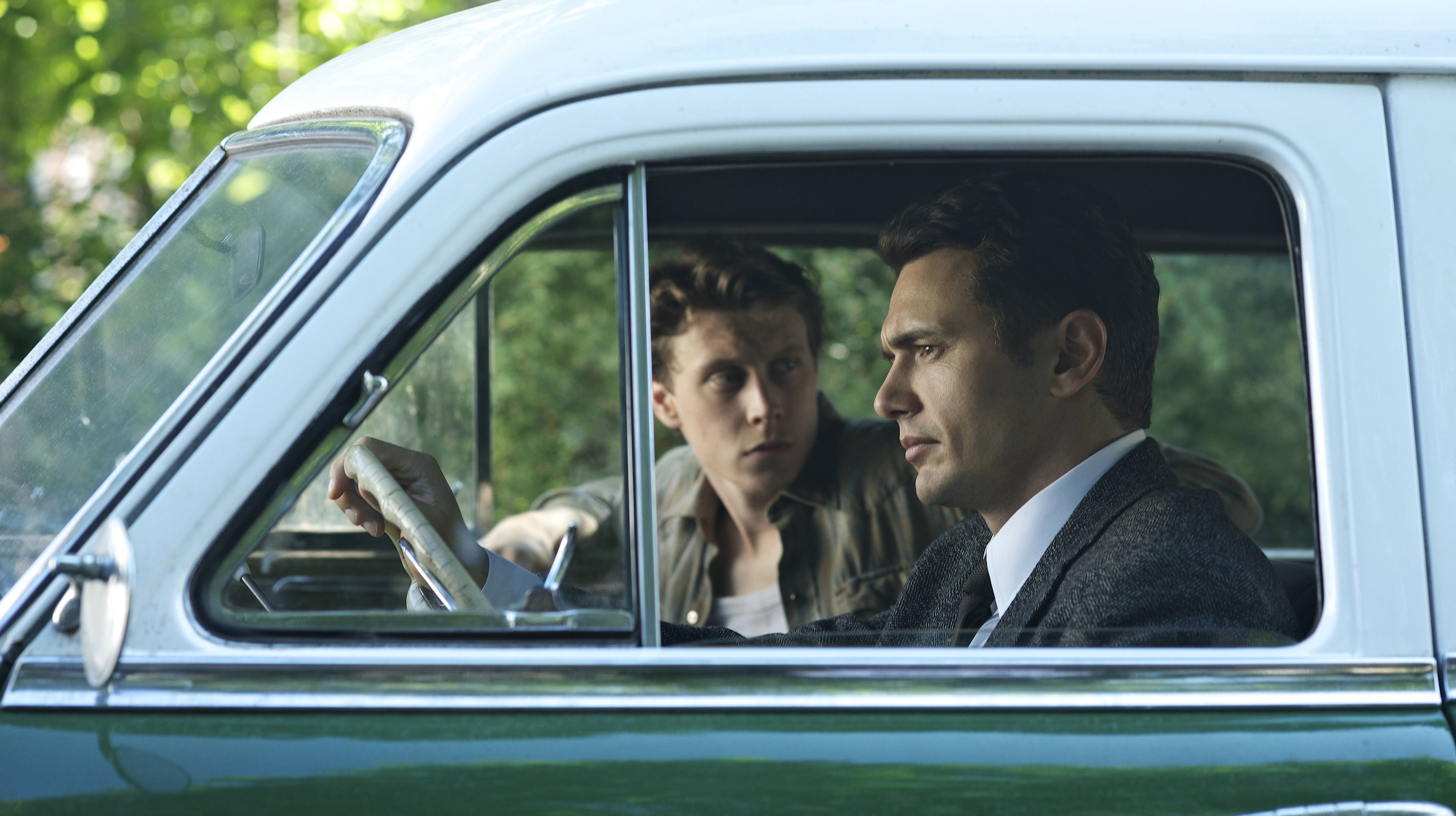
The Man in the High Castle isn’t the only original series from a Netflix rival to have found renewed streaming success on the platform in 2026. Back in January, the Hulu original Stephen King adaptation 11.22.63 surged up Netflix’s charts, peaking at number 2 in the United States.
It even overtook Stranger Things just weeks after the landmark finale of Netflix’s flagship original series, as well as the streamer’s popular adaptation of the gritty Harlan Coben thriller Run Away. The lesson that Netflix executives will have taken from the unprecedented success of 11.22.63 as a recycled streaming hit is obvious.
Here was a show which cost them nothing to make, and likely very little to be licensed from Hulu, yet was comfortably outperforming many of their biggest and most bankable investments in original content. If Netflix could replicate its success with other series recycled from elsewhere, it could save vast amounts it would otherwise spend on making its own shows.
It feels as though the decline in the quantity (and, in many cases, the quality) of Netflix’s original dramatic productions is now reaching a tipping point. It isn’t just classic network shows like Lost and Seinfeld that the streaming giant is repurposing for their own subscribers. Now it’s repurposing other streaming series, too.
More Prime Video And Hulu Hits Will Be Recycled Onto Netflix From Now On
The Man in the High Castle and 11.22.63 won’t be the last original series from streaming rivals to be recycled onto Netflix. In fact, they’re almost certainly just the beginning of a broader trend.
If Netflix and Prime Video’s original streaming movies have started to look alike, then many of their most-watched TV series could soon be one and the same. Amazon has been preparing this move for almost three years, after launching its own syndication division to shop out Prime Video originals to third parties, way back in May 2023 (via Screen Daily).
Meanwhile, Hulu and other major streamers are joining the syndication frenzy, which is ironically born out of the over-saturation of high-quality original television produced during the years of streaming ascendancy, before cost-cutting and consolidation spread across the board. The even bigger irony is that the walled-garden approach taken by all the major players now makes them ideal syndication partners.
TV Streaming Has Entered The Age Of Syndication
Since Netflix, Amazon, HBO, Apple, Disney, and Hulu have spent the past decade making almost all of their original TV content exclusive to their own subscribers, they’ve created the ideal market for mass streaming syndication. Just as subscription fatigue is setting in among viewers at home, streaming giants have found a different way to increase their bottom line.
Instead of continually raising prices, increasing their reliance on advertising, and imposing restrictive conditions on subscribers, streaming platforms are simply going to move towards sharing whole swathes of one another’s content on the cheap. Proportionally, there’ll be far less original television, and far more old content recycled from elsewhere and dressed up as a new release.
In a sense, the age of syndication could level out the streaming playing field, as opposed to forcing viewers to sacrifice one show for the sake of another. But it will also mean subscribers get less for their money, because syndicated content costs nothing to produce, so licensing it is a low-budget alternative to original productions.
What’s more, because Netflix are the biggest player in the market, they want to have it both ways. In 2023, Netflix bosses claimed that they aren’t going to license the content they produce to third parties. However, they’ve increasingly moved in the direction of buying third-party content licensed by rival streamers.
Sooner or later, Netflix might well be forced to license some of their own crown jewels to keep gaining access to Prime Video and Hulu shows in return, particularly once they and other platforms become more heavily reliant on syndicated content. Either way, The Man in the High Castle isn’t an exception. It’s the start of a new era.
Sources: Variety; JustWatch; Screen Daily
RELATED POSTS
View all

Spider-Man Show With 97% RT Keeps Getting Better Ahead Of Its Fall 2026 Return
March 18, 2026 | by admin

